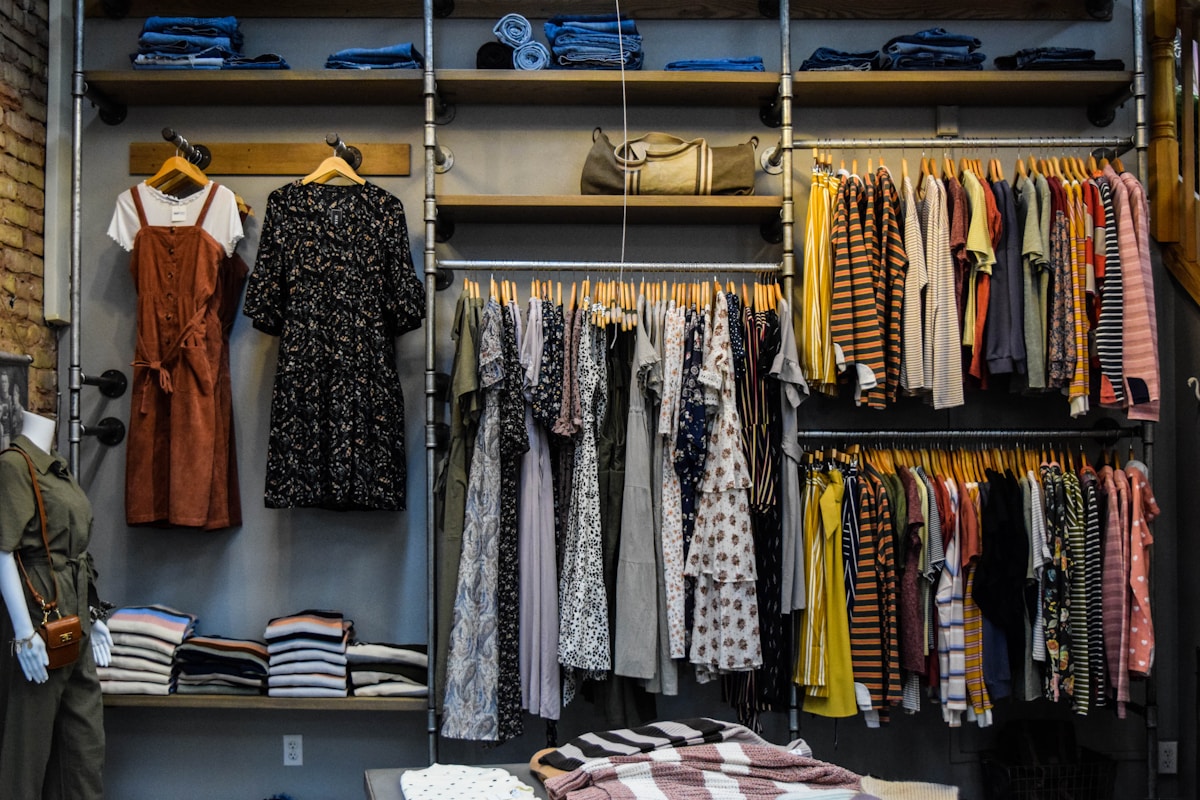
Resale Certificate for Clothing Boutiques: Buy Wholesale Inventory Tax-Free
Opening a clothing boutique means buying inventory before you sell a single item. Your first wholesale order might run $5,000 to $20,000 depending on the brands and quantities. Every restock after that adds up. At a 7% average sales tax rate, a boutique spending $8,000 per month on wholesale purchases loses $6,720 a year in unnecessary tax.
A resale certificate eliminates that cost. You present it to your wholesale suppliers, and they do not charge you sales tax on inventory purchases. You then collect sales tax from your customers when they buy at retail.
How Wholesale Apparel Buying Works
Clothing boutiques source inventory through several channels, and a resale certificate applies to all of them:
Trade shows and buying markets. Atlanta Apparel, MAGIC in Las Vegas, NY NOW, Dallas Market Center. You walk the floor, place orders with brands, and provide your resale certificate at checkout. Most shows require proof of a valid resale certificate or seller's permit just to get a buyer's badge.
Wholesale showrooms. LA's Fashion District, the New York Garment District, regional showrooms. You visit reps, pull pieces, and write orders. Hand over your certificate or have it on file with the showroom.
Online wholesale platforms. Faire, Abound, Tundra, FashionGo, LAShowroom, OrangeShine. These platforms typically ask for your resale certificate during account registration. Once verified, all purchases are tax-exempt.
Direct from brands. Many emerging and mid-tier brands sell wholesale directly. They will request your resale certificate before shipping your first order.
In every case, the certificate tells the supplier: "I am buying these goods to resell them. Do not charge me sales tax."
What You Can Buy Tax-Free
Everything that ends up on your sales floor or in a customer's shopping bag qualifies:
- Clothing (dresses, tops, pants, outerwear, activewear, intimates)
- Shoes and footwear
- Accessories (jewelry, handbags, scarves, belts, hats, sunglasses)
- Seasonal items (swimwear, holiday-themed apparel)
- Children's and baby clothing
- Socks, hosiery, and undergarments
- Shopping bags and tissue paper (packaging that goes to the customer)
- Branded tags, labels, and hang tags (attached to products you sell)
- Gift boxes (provided to customers with purchase)
What You CANNOT Buy Tax-Free
Items for your business operations that customers never take home:
| Item | Why It Is Taxable |
|---|---|
| Display fixtures and mannequins | Store equipment |
| Hangers that stay in-store | Business supplies |
| Steamer and iron for fitting room | Business equipment |
| POS system and card reader | Business equipment |
| Store decor and signage | Business property |
| Cleaning supplies | Business use |
| Office supplies | Business use |
| Security tags and sensors | Business equipment (stays in store) |
The gray area: hangers. If you give customers a hanger with their purchase, that hanger is part of the product packaging and can qualify as tax-exempt. If the hanger stays in the store after the customer buys the garment, it is a business supply. Most boutiques keep the hanger, so most hangers are taxable business supplies.
Clothing Sales Tax Exemptions: State Quirks
Clothing has special tax treatment in several states, which affects both what you charge customers AND how you think about your margins:
States that exempt most clothing from sales tax:
- Pennsylvania: Clothing is fully exempt from sales tax. Your customers pay zero tax on apparel. You still need a resale certificate to buy wholesale tax-free.
- New Jersey: Clothing and footwear are exempt. Same deal.
- New York: Clothing and footwear under $110 per item are exempt from state tax (NYC may still apply local tax).
- Minnesota: Clothing is exempt from state sales tax.
- Vermont: Clothing under $110 is exempt.
- Rhode Island: Clothing under $250 is exempt.
What this means for boutiques in these states: Your competitors are everywhere because customers save on sales tax. But you still need the resale certificate to buy from suppliers without paying tax. The exemption is at the retail level, not the wholesale level.
States with NO clothing exemption (customers pay full tax): California, Texas, Florida, Ohio, Illinois, and most other states tax clothing at the normal rate.
Dollar Savings
| Boutique Size | Monthly Wholesale Spend | Annual Tax Savings (7%) |
|---|---|---|
| Small (pop-up or online-first) | $2,000 | $1,680 |
| Single-location boutique | $8,000 | $6,720 |
| Established multi-brand shop | $20,000 | $16,800 |
| Multi-location chain | $50,000+ | $42,000+ |
A typical single-location boutique spending $8,000/month on wholesale inventory saves $6,720 per year. Your $249 certificate pays for itself on your first wholesale order.
Consignment and Vendor Booth Models
Not all boutiques buy inventory outright. Here is how resale certificates apply to alternative models:
Consignment boutiques. You do not buy the inventory. The consignor owns it until it sells. When a customer buys a consigned item, you collect sales tax on the selling price. You typically do not need a resale certificate for consignment goods because you are not purchasing them. But if you also carry bought inventory alongside consignment items, you need the certificate for those wholesale purchases.
Vendor booth or co-op models. Some boutiques rent shelf or rack space to independent vendors. The vendor owns the merchandise. The boutique collects payment (including sales tax) on behalf of the vendor. The tax obligation may fall on the vendor or the boutique depending on your state and the specific arrangement. Get clear on this with your accountant.
Hybrid models. Many boutiques do both: they buy some inventory wholesale and take other items on consignment. The resale certificate covers the wholesale portion. Keep your records clean so you can show which items were bought for resale and which were consigned.
Online Sales and Multi-State Obligations
If you sell through your own website, Instagram, or platforms like Shopify, you may have economic nexus obligations in states where you hit sales thresholds (typically $100,000 in sales or 200 transactions). This means you may need to:
- Register for sales tax in those states
- Collect and remit tax on shipments to those states
- Potentially obtain resale certificates in those states to buy from local suppliers tax-free
See our economic nexus guide for current thresholds by state.
Common Mistakes Boutique Owners Make
Buying personal items on your resale certificate. That dress you pulled off the rack for yourself? You owe use tax on it. Auditors look for this, especially in clothing businesses where the line between inventory and personal use is thin.
Not collecting tax on alterations. If you charge for hemming, tailoring, or alterations, that service may be taxable in your state. Some states tax alterations separately. Some bundle it with the garment sale. Know your state's rule.
Forgetting gift cards. Gift card sales are not taxable at the time of sale (the tax is collected when the card is redeemed). Some boutique owners incorrectly charge tax when selling gift cards.
Not updating the certificate when you move. If your boutique moves to a new location or you open a second location, update your registration and issue new certificates to suppliers with the correct information.
How to Get Started
-
Apply for your resale certificate through your state tax authority or through our application service. Processing takes 1 to 3 weeks depending on the state.
-
Register for trade show buyer badges. Most wholesale markets require your resale certificate or seller's permit number during registration.
-
Provide the certificate to each wholesale supplier. Whether it is Faire, a showroom rep, or a brand's wholesale portal, they will need it on file before shipping tax-free orders.
-
Set up your POS to collect sales tax correctly. Make sure your system knows the correct rate for your location, including any local taxes.
State-Specific Notes
California
You need a California seller's permit (issued by CDTFA) before buying wholesale. California does not accept out-of-state resale certificates. The LA Fashion District and most California showrooms will ask for your California permit number.
Texas
Texas accepts Form 01-339 and the MTC Uniform Certificate. Dallas Market Center is a major apparel market, and vendors there will accept either form. State rate is 6.25% plus up to 2% local.
New York
You need a Certificate of Authority from the NY Tax Department. Clothing under $110 is exempt from state tax for your customers, but you still need the certificate for wholesale buying. The Garment District showrooms all require it.
Georgia
Atlanta Apparel at AmericasMart is one of the largest apparel markets in the country. Georgia requires a sales tax registration, and most vendors at the show will collect your certificate information during order writing.