Resale Certificate for Convenience Stores: Buy Inventory Tax-Free
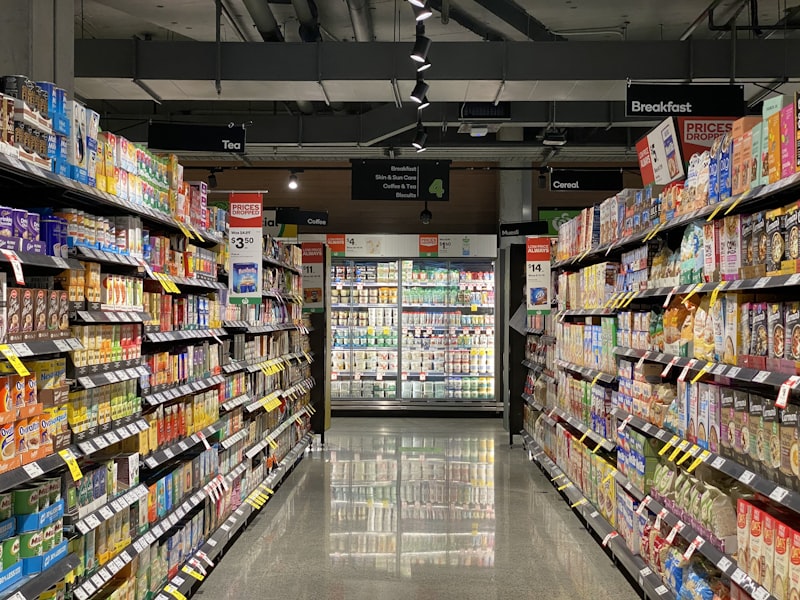
A convenience store restocks constantly. Cigarettes, drinks, snacks, lottery tickets, candy, over-the-counter medicine, phone chargers, and dozens of other categories move through your shelves every week. A typical single-store operation buys $15,000 to $40,000 in wholesale inventory per month. At a 7% tax rate, that is $12,600 to $33,600 per year in sales tax you should not be paying.
A resale certificate tells your distributors and wholesalers not to charge you sales tax on goods you are buying to resell. You then collect sales tax from customers at the register.
The C-Store Supply Chain
Convenience stores buy from a mix of sources, and each one needs your resale certificate on file:
Tobacco and beverage distributors. McLane Company, Core-Mark, S&P Company, and your local tobacco distributor. These are your biggest suppliers by dollar volume. They will require your resale certificate and tobacco license before opening an account.
Snack and grocery distributors. Companies like Vistar, Eby-Brown, and regional DSD (direct store delivery) distributors for Frito-Lay, Coca-Cola, and Pepsi. The DSD drivers typically have your certificate on file through the main distribution account.
Cash and carry/wholesale clubs. Costco Business Center, Restaurant Depot, Jetro, Sam's Club. If you buy from these for resale, present your resale certificate for a tax-exempt purchase. Without it, you pay retail tax.
Miscellaneous product suppliers. Phone accessories, sunglasses, auto air fresheners, over-the-counter health products. Wherever you source these, the certificate applies.
What You Can Buy Tax-Free
Everything on your shelves for customer purchase:
- Tobacco products (cigarettes, cigars, chewing tobacco, rolling papers)
- Beverages (soda, water, energy drinks, juice, beer, wine if licensed)
- Snacks and candy (chips, nuts, jerky, chocolate, gum)
- Packaged food (sandwiches, burritos, cup noodles, canned goods)
- Over-the-counter medicine (pain relievers, cold medicine, antacids)
- Health and beauty (deodorant, shampoo, razors, toothpaste)
- General merchandise (phone chargers, batteries, lighters, sunglasses)
- Auto supplies (air fresheners, windshield fluid, motor oil)
- Ice and bagged ice
- Newspapers and magazines
- Lottery ticket stock (in states where applicable)
What You CANNOT Buy Tax-Free
| Item | Why It Is Taxable |
|---|---|
| Store shelving and display racks | Store equipment |
| Refrigeration units and coolers | Business equipment |
| Security cameras and alarm system | Business equipment |
| POS system and receipt paper | Business equipment |
| Cleaning supplies for the store | Business use |
| Shopping bags (in most states) | Business supply consumed on premises |
| Employee uniforms | Business use |
| ATM machine | Business equipment |
Prepared Food: The Complicated Category
Here is where c-stores get tripped up. Prepared food is taxed differently from packaged food in most states.
Packaged, unprepared food (a bag of chips, a sealed candy bar, a canned drink) is exempt from sales tax in many states or taxed at a reduced rate. Your resale certificate covers the wholesale purchase regardless.
Prepared food (a hot dog from the roller grill, a fountain drink, a made-to-order sandwich, food from a heated display) is taxable in virtually every state, often at the full tax rate even in states that exempt groceries.
The distinction matters for what you charge customers, not for your wholesale buying. Your resale certificate covers both categories at the wholesale level. But you must program your register to apply the correct tax rate to each item type at the point of sale.
States like Illinois and Arkansas have different tax rates for grocery items vs. prepared food. Texas exempts most grocery items but taxes prepared food. Get your POS categories right or you will either overcharge customers or underpay the state.
Tobacco Tax: Separate from Sales Tax
Tobacco products carry excise taxes that are separate from and in addition to sales tax. These excise taxes are typically paid by the distributor and built into your wholesale cost. Your resale certificate does not affect tobacco excise tax.
However, your resale certificate DOES exempt you from paying sales tax on the wholesale purchase of tobacco products. The excise tax is embedded in the price; the sales tax is what the certificate removes.
When you sell cigarettes to a customer, you collect sales tax on the total retail price (which includes the embedded excise tax). Some states have specific rules about how sales tax applies to tobacco, so verify with your state.
Beer and Wine Sales
If your c-store is licensed to sell beer and wine:
- Beer and wine purchased for resale are covered by your resale certificate
- Alcohol excise taxes are separate and built into distributor pricing
- Some states impose additional alcohol-specific taxes at retail
- Many states require a separate alcohol seller's permit alongside your sales tax permit
The resale certificate handles the sales tax piece. The alcohol licensing is a separate regulatory track.
Dollar Savings
| Store Type | Monthly Inventory Purchases | Annual Tax Savings (7%) |
|---|---|---|
| Small corner store | $10,000 | $8,400 |
| Standard c-store | $25,000 | $21,000 |
| High-volume urban location | $50,000 | $42,000 |
| Multi-store operator (3 locations) | $100,000+ | $84,000+ |
Fuel: A Different Story
If your convenience store includes gas pumps, motor fuel has its own tax structure that is entirely separate from sales tax. Gasoline and diesel are subject to federal and state excise taxes per gallon, not sales tax. In most states, the resale certificate does not apply to fuel purchases because fuel taxes are calculated differently.
However, some states DO apply sales tax to fuel in addition to excise taxes. In those states, your resale certificate would apply to the sales tax component when you buy fuel for resale. This is state-specific and your fuel supplier will handle the tax treatment correctly once they have your permits on file.
Common Mistakes
Paying tax at Costco/Sam's Club on resale items. If you buy inventory for your store at a warehouse club, present your resale certificate. Many c-store owners forget and pay retail tax on every trip.
Not separating food categories in the POS. A bag of chips (grocery, often exempt or reduced rate) and a roller grill hot dog (prepared food, full rate) must be taxed differently. Getting this wrong triggers audit liability.
Using the certificate for personal purchases from your own distributors. That case of energy drinks for your house? That is personal use. Pay the tax or report use tax. Distributors sometimes flag this in audits.
How to Get Started
- Get your resale certificate through your state tax authority or our application service.
- Provide copies to every distributor. McLane, Core-Mark, your tobacco distributor, your beverage distributor, and any wholesale club you use.
- Set up your POS tax tables correctly. Different tax rates for grocery, prepared food, tobacco, alcohol, and general merchandise.
- File and remit sales tax on schedule. C-stores with high volume may have monthly filing requirements.