Resale Certificate for Electronics Stores: Tax-Free Wholesale on Devices and Accessories
Consumer electronics are high-ticket items. A single laptop costs $300 to $1,500 wholesale. Phones, tablets, gaming consoles, audio equipment, and accessories add up to significant inventory value. An independent electronics retailer can easily hold $100,000 to $500,000 in stock. Monthly wholesale purchases of $20,000 to $80,000 are typical for a healthy operation.
A resale certificate keeps sales tax off those wholesale purchases. At 7%, a store spending $40,000/month saves $33,600 per year.
What You Can Buy Tax-Free
Everything purchased to resell to customers:
- Computers and laptops (desktops, gaming PCs, Chromebooks, MacBooks)
- Phones and tablets (smartphones, iPads, Android tablets)
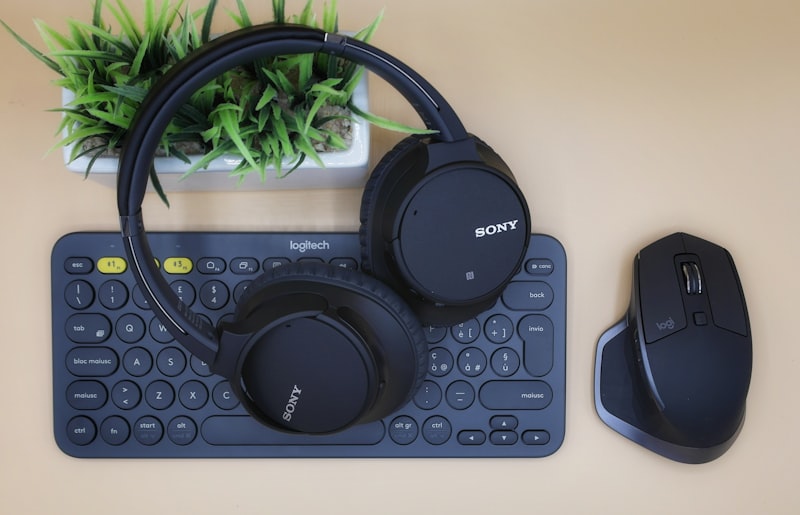
- Audio equipment (headphones, speakers, soundbars, turntables, microphones)
- Gaming (consoles, controllers, games, gaming chairs, monitors)
- Smart home devices (security cameras, smart speakers, thermostats, doorbells)
- TV and video (televisions, projectors, streaming devices, HDMI cables)
- Accessories (cases, chargers, screen protectors, cables, adapters, mounts)
- Wearables (smartwatches, fitness trackers, VR headsets)
- Computer peripherals (keyboards, mice, webcams, external drives, USB hubs)
- Networking equipment (routers, mesh systems, switches sold retail)
- Software (boxed software, prepaid subscription cards)
- Extended warranties and protection plans (tax treatment varies by state, see below)
What You CANNOT Buy Tax-Free
| Item | Why It Is Taxable |
|---|---|
| Display units you do not sell | Business property |
| Security fixtures and theft deterrents | Business equipment |
| Demo tablets/phones locked to counter | Business property (until sold) |
| POS system and card terminals | Business equipment |
| Store signage and display walls | Business property |
| Repair tools and diagnostic equipment | Business tools |
| Employee training equipment | Business use |
Demo units. Electronics stores commonly keep powered-on demo units for customers to try. These are business assets, not resale inventory. However, if you sell the demo unit (as "open box" or "display model"), you collect sales tax from the buyer at that point. Some states allow you to buy demo units tax-free if you can show they will eventually be sold. Check your state's position on this.
Extended Warranties and Protection Plans
Tax treatment varies significantly by state:
- Some states tax warranty sales. The warranty is considered a taxable service or product.
- Some states exempt warranty sales. The warranty is considered an insurance product.
- Some states tax the warranty only if sold with a product. Stand-alone warranty purchases may have different treatment.
Your resale certificate covers the product itself. The warranty tax question is separate and depends entirely on your state. This is worth clarifying with your state tax authority or accountant.
Repair Services and the Resale Certificate
Many electronics stores offer repair services (screen replacements, battery swaps, data recovery). The tax treatment mirrors what we cover in our cell phone repair guide:
- Replacement parts installed during repair (screens, batteries, charging ports) are items sold to the customer. Buy them tax-free with your resale certificate.
- Repair labor is taxable in some states, exempt in others.
- Diagnostic tools and equipment are for business use, not resale.
Dollar Savings
| Store Type | Monthly Wholesale Spend | Annual Tax Savings (7%) |
|---|---|---|
| Small accessories shop | $8,000 | $6,720 |
| Independent electronics store | $40,000 | $33,600 |
| Large showroom retailer | $80,000 | $67,200 |
| Multi-location chain | $200,000+ | $168,000+ |
Electronics carry thinner margins than many retail categories (often 10-25% on major devices, better on accessories). The tax savings on inventory purchases directly improves your bottom line.
Buying Groups and Cooperatives
Independent electronics retailers often join buying groups like Nationwide Marketing Group, ProSource, or BrandSource to access better wholesale pricing from major manufacturers. These buying groups will require your resale certificate as part of your membership application.
Being part of a buying group gives you access to brands and pricing that would otherwise only be available to large chains. The resale certificate is a standard requirement.
State-Specific Notes
California
Significant electronics market. No special exemptions for electronics. CDTFA seller's permit required. Combined tax rates up to 10.25% make the savings substantial.
New York
Standard sales tax on electronics. Certificate of Authority required. NYC's 8.875% combined rate means significant tax savings on wholesale electronics purchases.
New Hampshire
No sales tax. Customers from neighboring states often buy electronics in NH to avoid tax. If you are an NH store selling to out-of-state customers, you generally do not collect tax, but the customer may owe use tax in their home state.
Common Mistakes
Not collecting tax on bundled items. If you sell a phone with a case and charger as a bundle, the entire bundle is taxable. Do not forget to include the accessories in the taxable amount.
Failing to track MAP pricing correctly. Minimum Advertised Price (MAP) policies affect your retail pricing but not your tax obligations. Tax is collected on the actual selling price, not MAP.
Ignoring online sales nexus. If you sell through your website or marketplaces and ship nationally, economic nexus applies. Electronics sell well online and many stores quickly hit nexus thresholds.
How to Get Started
- Apply for your resale certificate through your state or our application service.
- Register with wholesale programs and buying groups. Major manufacturers and buying groups require the certificate.
- Collect certificates from B2B customers. Businesses buying equipment from you for their own retail or commercial use should provide certificates.
- Configure your POS. Different product categories may have different tax rates (warranties, digital products, physical goods).