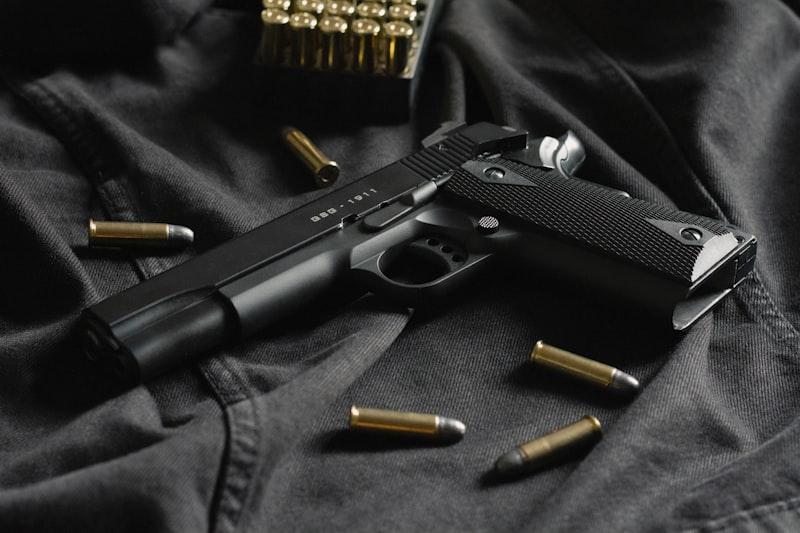
Gun Shop and FFL Dealer Resale Certificate Guide: Firearms, Ammo, and Sales Tax
Gun shops and FFL dealers carry high-value inventory. A single handgun costs $300 to $800 wholesale. Rifles and shotguns range from $200 to $2,000+. A well-stocked shop might hold $50,000 to $200,000 in firearms inventory at any given time, plus thousands more in ammunition, optics, and accessories.
A resale certificate ensures you do not pay sales tax when purchasing that inventory from distributors. The firearms, ammunition, holsters, optics, and accessories you buy for resale to customers are standard retail inventory, and the resale exemption applies just like it does to any other retail business.
 Gun Shop
FFL License vs. Resale Certificate: Two Different Things
This is a common point of confusion. Your Federal Firearms License (FFL) is issued by the ATF and authorizes you to engage in the business of dealing, manufacturing, or importing firearms. It is a federal regulatory license.
Your resale certificate (or seller's permit, depending on the state) is a state tax document that exempts you from paying sales tax on inventory purchases. It has nothing to do with federal firearms regulation.
You need both:
- The FFL to legally buy and sell firearms
- The resale certificate to buy inventory without paying state sales tax
They serve different purposes, are issued by different agencies, and have different requirements. Having an FFL does not automatically exempt you from sales tax. You need the resale certificate separately.
Apply for Your Resale Certificate
What You Can Buy Tax-Free
Tax-Exempt Purchases (Resale Items)
Everything you stock for sale to customers qualifies:
- Firearms (handguns, rifles, shotguns, muzzleloaders)
- Ammunition (all calibers, shotgun shells, specialty loads)
- Magazines and clips
- Optics (scopes, red dot sights, binoculars sold at retail)
- Holsters and slings
- Gun cases and safes sold at retail
- Cleaning kits sold at retail (packaged kits, not your shop supplies)
- Reloading components sold at retail (brass, bullets, powder, primers)
- Shooting accessories (ear protection, eye protection, targets sold at retail)
- Knives and edged tools sold at retail
- Apparel and merchandise (branded hats, shirts, patches)
- Flashlights, lasers, and weapon-mounted accessories
- Gun parts and aftermarket upgrades (triggers, stocks, grips, barrels sold at retail)
What You CANNOT Buy Tax-Free
Items for business use that are not resold to customers:
| Item | Why It Is Taxable |
|---|---|
| Display cases and shop fixtures | Business property |
| Security systems and cameras | Business equipment |
| Safes for your own inventory storage | Business equipment |
| Gunsmithing tools | Shop tools |
| Cleaning supplies for shop maintenance | Business use |
| Range equipment (if you operate a range) | Business equipment |
| Office supplies and computers | Business use |
| Armorer's tools and bench equipment | Shop tools |
| Demo/rental firearms you do not sell | Business property (until sold) |
Demo and Rental Firearms
If you have firearms used for range rentals or in-store demonstrations, those are business assets while in use, not resale inventory. However, if you eventually sell a demo or rental gun, you would collect sales tax from the buyer at that point.
Some states allow you to purchase demo/rental firearms tax-free if you can demonstrate they will eventually be sold. Others require you to pay tax at purchase and then claim a credit when you sell. Check your state's specific rules on this.
Gunsmithing and Repair Work
If your shop performs gunsmithing services (cleaning, repair, custom work), the tax treatment of parts and labor varies by state, similar to auto body shops.
Parts installed during repair: If you install a new barrel, trigger, or stock on a customer's firearm, you are selling that part to the customer. The part qualifies for tax-free purchase with your resale certificate.
Labor charges: Many states do not tax repair labor when separately stated. Some states tax the entire repair bill (parts plus labor). Know your state's rules.
Customer-supplied firearms: When a customer brings in their gun for service, you are working on their property. The service may or may not be taxable depending on your state. Parts you install still qualify as resale items.
Dollar Savings for Gun Shops
| Business Type | Monthly Inventory Purchases | Annual Tax Savings (7%) |
|---|---|---|
| Small FFL (home-based or low volume) | $3,000 | $2,520 |
| Mid-size gun shop | $15,000 | $12,600 |
| Large gun shop with range | $40,000 | $33,600 |
| Multi-location sporting goods dealer | $100,000+ | $84,000+ |
A mid-size gun shop spending $15,000 per month on inventory saves $12,600 annually. Given the thin margins on many firearms (10 to 15% on popular handguns), that savings is significant.
Federal Excise Tax: A Separate Issue
Firearms and ammunition are subject to federal excise tax under the Pittman-Robertson Act. This is a manufacturer-level tax (10% on handguns, 11% on other firearms and ammunition) that is built into the wholesale price you pay. It is not a sales tax, and your resale certificate does not affect it.
The excise tax is already factored into the price your distributor charges you. You do not pay it separately. It is simply part of your cost of goods. This is distinct from state sales tax, which your resale certificate does exempt.
State-Specific Notes
California
California requires a seller's permit for retail firearms sales. All firearms, ammunition, and accessories purchased for resale are exempt from sales tax with a valid seller's permit. California also imposes a DROS (Dealer Record of Sale) fee on firearm transactions, which is a state fee, not a tax.
Texas
Texas is straightforward for gun shops. Firearms and accessories purchased for resale are exempt with Form 01-339. Texas does not have additional state-level excise taxes on firearms beyond the standard sales tax (which you collect from customers).
Florida
Florida requires a dealer's sales tax certificate. Firearms and ammunition for resale are exempt. Florida imposes a discretionary sales surtax in many counties on top of the state rate, so make sure you collect the correct combined rate from customers.
Pennsylvania
Pennsylvania exempts firearms, ammunition, and most hunting supplies from sales tax entirely under a specific statutory exemption. This means your customers may not owe sales tax on many of these items either, depending on the product category. This is separate from and in addition to the resale exemption.
Georgia
Georgia requires a sales tax registration. Inventory for resale is exempt. Georgia has a relatively straightforward sales tax system for firearms retailers, with a state rate plus local rates varying by county.
Transfers, Consignment, and Private Sales
FFL Transfers
When you perform an FFL transfer (receiving a firearm shipped to you for a customer who bought it online), you are providing a service, not selling a product. The transfer fee is a service charge and may or may not be taxable depending on your state. The firearm itself is not your inventory.
Consignment Sales
If you sell firearms on consignment (customer leaves their gun with you to sell), the tax treatment varies by state. In most states, you collect sales tax from the buyer on the full selling price. The consignor is not typically providing you a resale certificate because you are acting as their agent, not buying from them.
Buying From Walk-In Customers
When you buy a used firearm from a walk-in customer, you are purchasing inventory. You do not charge the seller sales tax (you are the buyer). When you resell that firearm, you collect sales tax from the new buyer. Your resale certificate covers purchases from distributors, not from individual sellers (no certificate is needed for those purchases because the seller is not a registered dealer in most cases).
Common Mistakes Gun Shops Make
Not Collecting Sales Tax on Accessories
Some gun shops focus on the firearm transaction and forget to charge tax on holsters, cleaning kits, and other accessories sold at the same time. Tax applies to the entire taxable sale.
Using the Resale Certificate for Range Supplies
If you operate a shooting range alongside your retail shop, targets, brass catchers, and range equipment are business-use items unless you sell them to customers. Range supplies you consume are taxable.
Ignoring Online Sales Tax Obligations
If you sell firearms or accessories online and ship to other states, you may have sales tax nexus obligations in those states. See our economic nexus guide for thresholds.
How to Get Started
Step 1: Get Your FFL (If You Do Not Have One)
The FFL comes first. You cannot legally deal in firearms without it. This is a federal ATF process.
Step 2: Apply for Your Resale Certificate
Apply through your state's tax authority or use our application service. This authorizes you to buy inventory tax-free and obligates you to collect tax from customers.
Step 3: Set Up Distributor Accounts
Provide your resale certificate and FFL copy to distributors (Lipsey's, RSR Group, Davidson's, Sports South, Zanders). They will keep both on file.
Step 4: Collect and Remit Sales Tax
Charge the correct rate on all taxable sales, file your returns, and remit the tax on schedule.
Apply for Your Resale Certificate