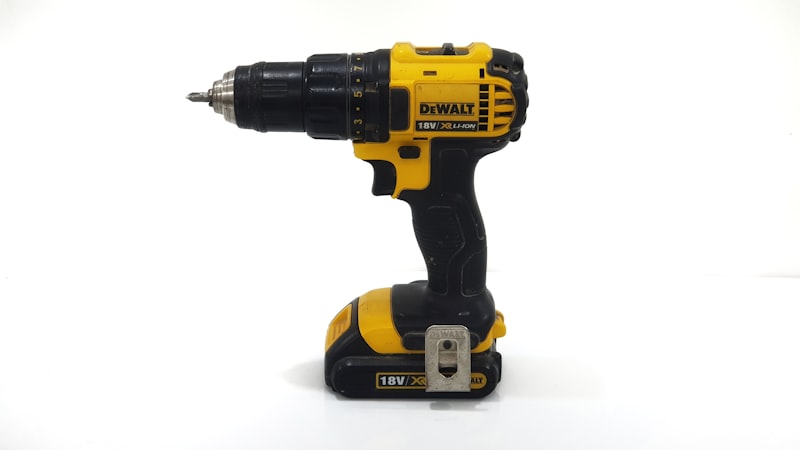
Resale Certificate for Hardware Stores: Buy Tools, Supplies, and Materials Tax-Free
Independent hardware stores compete with Home Depot and Lowe's by offering expertise, service, and community presence. But the wholesale purchasing structure is the same: you buy inventory from distributors and manufacturers, mark it up, and sell to customers. A typical Ace, True Value, or Do it Best affiliated store purchases $30,000 to $100,000 in wholesale merchandise per month. At 7% tax, that is $25,200 to $84,000 per year in tax savings with a resale certificate.
Your resale certificate covers every product on your shelves, from a $0.50 screw to a $500 power tool.
How Independent Hardware Stores Buy Wholesale
Cooperative buying groups. Most independent hardware stores belong to a dealer cooperative that provides wholesale purchasing, distribution, and branding:
- Ace Hardware Corporation (the largest, with central distribution warehouses)
- True Value Company (merged with Do it Best in 2024, now a combined organization)
- Do it Best Corp (member-owned cooperative)
- Orgill (independent distributor, not a co-op)
- Hardware Hank / United Hardware (upper Midwest cooperative)
Your resale certificate goes on file with the cooperative when you become a member. All orders from the co-op warehouse ship tax-free.
Direct from manufacturers. Power tool brands (DeWalt, Milwaukee, Makita, Bosch), paint companies (Benjamin Moore, Sherwin-Williams, PPG), and specialty product manufacturers often have direct dealer programs alongside co-op distribution.
Regional and specialty distributors. Plumbing, electrical, and fastener distributors may supplement your co-op inventory. Each needs your certificate.
What You Can Buy Tax-Free
- Hand tools (hammers, screwdrivers, pliers, wrenches, tape measures)
- Power tools (drills, saws, sanders, grinders)
- Fasteners (screws, nails, bolts, anchors)
- Plumbing supplies (pipes, fittings, valves, faucets, toilet repair parts)
- Electrical supplies (wire, switches, outlets, breakers, lighting fixtures)
- Paint and stain (interior, exterior, spray paint, wood stain)
- Paint supplies sold at retail (brushes, rollers, trays, painter's tape, drop cloths)
- Lumber and building materials (if you carry them)
- Lawn and garden (hoses, sprinklers, fertilizer, seeds, pots, tools)
- Cleaning supplies (mops, brooms, cleaning chemicals, trash bags)
- Automotive (motor oil, car care products, wiper blades)
- Adhesives and sealants (caulk, glue, tape, weather stripping)
- Safety equipment (gloves, goggles, masks, ear protection)
- Seasonal items (snow shovels, ice melt, space heaters, fans, grills)
- Small appliances (space heaters, fans, humidifiers)
- Keys and lock hardware (key blanks, padlocks, deadbolts, door hardware)
- Batteries (all sizes sold at retail)
What You CANNOT Buy Tax-Free
| Item | Why It Is Taxable |
|---|---|
| Key cutting machine | Business equipment |
| Paint mixing and tinting system | Business equipment |
| Shelving and store fixtures | Store equipment |
| Delivery vehicle | Business asset |
| POS system and scanners | Business equipment |
| Forklift (for warehouse) | Business equipment |
| Store cleaning supplies (for your own floors) | Business use |
| Shopping carts and baskets | Store equipment |
Paint tinting system. The tinting machine and colorant canisters are business equipment. The base paint that gets tinted and sold to the customer is resale inventory. The colorant that goes into the customer's paint can is part of the product sold, so in many states it qualifies as a component of the finished product being sold. Discuss the specifics with your accountant, as some states see the colorant as consumed in a service (custom tinting) while others treat it as a component of the resale product.
Key Cutting, Pipe Cutting, and Custom Services
Hardware stores offer services that blur the line between retail sale and service:
Key cutting. You sell a key blank (resale item) and cut it for the customer. The key blank is inventory purchased for resale. The cutting service is typically included in the price. In most states, the entire transaction (blank plus cutting) is a retail sale of tangible personal property (the finished key). Your resale certificate covers the blank.
Pipe cutting and threading. A customer buys a length of pipe, and you cut it to size. Same logic: you are selling the pipe. The cutting is incidental to the retail sale. The pipe is resale inventory.
Screen and glass cutting. Buying screen material or glass sheets in bulk for cutting to customer specifications is a retail sale of material. The certificate covers the bulk purchase.
Propane refills. If you sell propane (tank exchanges or refills), the propane is resale inventory. The tanks you own and exchange are business assets (not resale). If you sell new propane tanks outright, those are resale.
Contractor Accounts
Many hardware stores have commercial accounts with local contractors, plumbers, electricians, and handymen. When these professionals buy from you on their resale certificate, you do not charge them sales tax. They are buying for resale to their end customer.
This means the resale certificate flows both ways at a hardware store:
- You use your certificate when buying from Ace, True Value, or manufacturers (you do not pay tax)
- Contractors present their certificate when buying from you (they do not pay tax)
Keep copies of all resale certificates from commercial customers. State auditors will ask for them.
Dollar Savings
| Store Type | Monthly Wholesale Purchases | Annual Tax Savings (7%) |
|---|---|---|
| Small neighborhood hardware | $20,000 | $16,800 |
| Standard independent hardware | $50,000 | $42,000 |
| Large-format hardware store | $100,000 | $84,000 |
| Multi-location operator | $200,000+ | $168,000+ |
Common Mistakes
Not collecting certificates from contractor customers. If you sell tax-free to a contractor without their certificate on file, you may be liable for the uncollected tax during an audit. Get the certificate before or at the first tax-free transaction.
Treating all key blanks as resale. If you use key blanks for store purposes (spare keys for employees), those are business use. Pull them from the register as a non-sale inventory withdrawal.
Mixing store-use items with inventory purchases. That box of trash bags for the store's own garbage cans is a business expense, not resale. The same trash bags on the shelf for customers are resale. Keep the accounting separate.
Forgetting seasonal inventory timing. Buying snow shovels in August for the winter season is still a resale purchase. The timing of the purchase does not matter. What matters is the intent: buying to resell.
How to Get Started
- Apply for your resale certificate through your state or our service.
- Register with your co-op. Ace, True Value, Do it Best, or Orgill will need it during dealer enrollment.
- Set up direct accounts with manufacturers. Benjamin Moore, DeWalt, and other brands you carry directly.
- Implement a process for collecting contractor certificates. A simple folder or digital system for storing customer resale certificates keeps you audit-ready.