Liquidation Pallets: Using Your Resale Certificate to Buy Overstock
The short answer: Yes, you can buy liquidation pallets tax-free with a resale certificate. Most platforms like B-Stock, BULQ, and Direct Liquidation accept them. That saves you 6-10% on every pallet - which adds up fast when you're spending $500-5,000 per pallet.
Without a certificate, you're paying sales tax on inventory you plan to resell. That's money straight out of your profit margin.
Need a resale certificate? We handle the entire registration process - all 50 states, certificate ready in 24 hours. From $249.
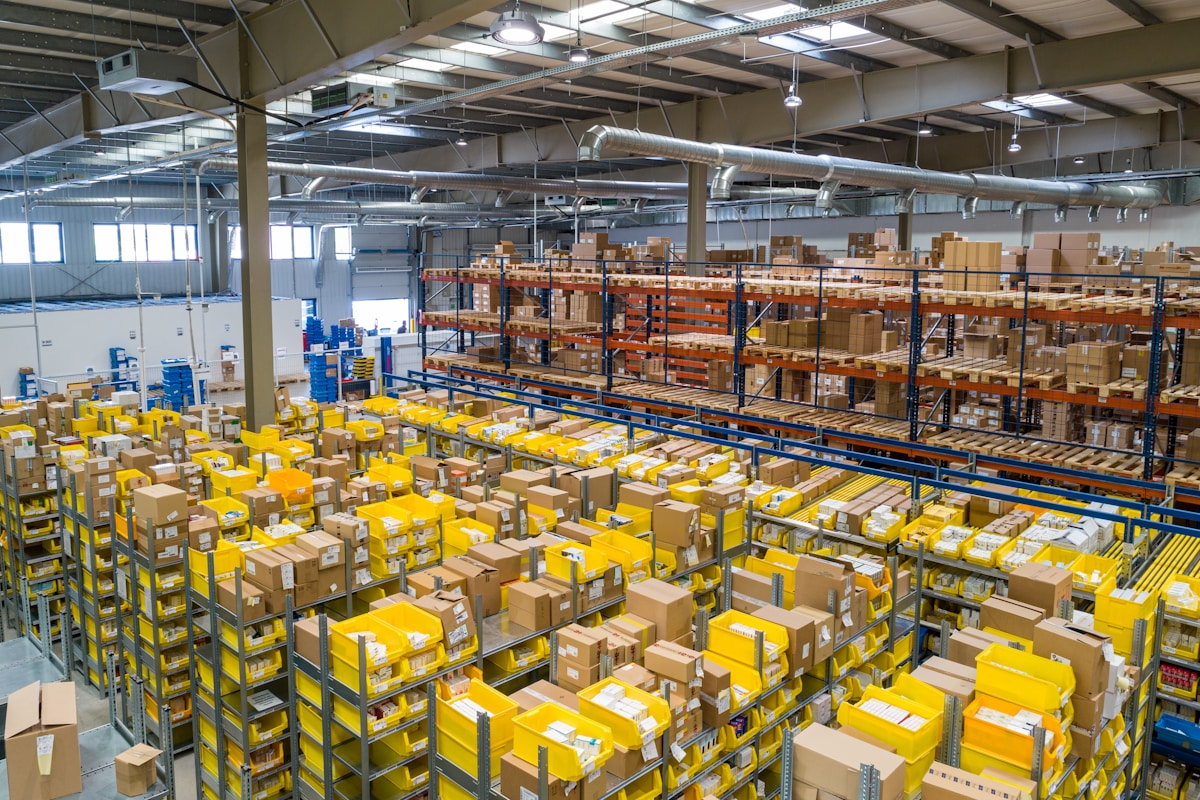 Warehouse Pallets
What Are Liquidation Pallets?
Liquidation pallets contain merchandise that retailers need to move quickly:
| Type | What It Is |
|---|---|
| Customer returns | Items returned by consumers |
| Overstock | Excess inventory |
| Shelf pulls | Removed from shelves (seasonal, damaged packaging) |
| Closeouts | Discontinued items |
| Salvage | Damaged or defective items |
Where This Merchandise Comes From
- Amazon (customer returns)
- Target
- Walmart
- Home Depot/Lowe's
- Department stores
- Specialty retailers
Using Your Resale Certificate for Liquidation
Why You Need One
Most liquidation companies require a resale certificate to:
- Verify you're a legitimate business
- Sell to you at wholesale prices
- Process tax-exempt sales
How to Use It
- Create an account at liquidation websites
- Upload your certificate during registration
- Buy tax-free on all qualifying purchases
Top Liquidation Sources
Major Liquidation Platforms
| Platform | Best For | Certificate Required? |
|---|---|---|
| Liquidation.com | Wide variety | Yes |
| B-Stock | Retailer-direct auctions | Yes |
| DirectLiquidation.com | Target, Amazon returns | Yes |
| BlueLots.com | Amazon returns | Yes |
| Bulq.com | Sorted lots, condition info | Yes |
Retailer Direct Programs
| Retailer | Program | Access |
|---|---|---|
| Amazon | Amazon Liquidation Auctions | Via B-Stock |
| Target | Target Liquidation | Via various platforms |
| Walmart | Walmart Liquidation | Via various platforms |
| Home Depot | HD Supply Liquidation | Via B-Stock |
Local Options
- Local liquidation warehouses
- Auction houses
- Estate sales (business liquidations)
- Going-out-of-business sales
Types of Liquidation Lots
By Condition
| Grade | What to Expect | Typical Discount |
|---|---|---|
| Shelf pulls | Like new, packaging may be damaged | 40-60% off retail |
| Customer returns | Mixed condition, some new | 60-80% off retail |
| Salvage | Damaged, may not work | 80-95% off retail |
| Uninspected | Unknown condition | Highest risk/reward |
By Category
Popular liquidation categories:
- Electronics
- Home goods
- Toys
- Clothing
- Health & beauty
- Tools
- Sporting goods
- General merchandise
By Size
| Size | Contents | Typical Cost |
|---|---|---|
| Box | 20-50 items | $50-200 |
| Partial pallet | 100-300 items | $200-800 |
| Full pallet | 300-1000+ items | $500-3000+ |
| Truckload | Multiple pallets | $5000+ |
How to Evaluate Liquidation Deals
Key Metrics
| Metric | What to Look For |
|---|---|
| Manifest | Detailed item list (if available) |
| MSRP value | Total retail value of items |
| Cost per unit | Your cost ÷ number of items |
| Expected sell-through | Realistic % you'll actually sell |
The Real Math
Don't just look at MSRP. Calculate realistic returns:
| Item | Value |
|---|---|
| Pallet MSRP | $5,000 |
| Your cost | $500 |
| Sellable items (60%) | $3,000 MSRP |
| Realistic selling price (50% MSRP) | $1,500 |
| Selling fees (30%) | $450 |
| Net profit | $550 |
| ROI | 110% |
Red Flags
Watch out for:
- No manifest available
- Unusually low prices (salvage quality)
- High shipping costs eating margins
- Categories with high return rates
- Brands with resale restrictions
Getting Started with Liquidation
Step 1: Get Your Documentation
Before you can buy:
- Resale certificate from your state
- Business registration
- EIN (or SSN for sole proprietors)
- Business bank account (recommended)
Step 2: Start Small
Begin with:
- Smaller lots or boxes
- Categories you know
- Platforms with manifests
- Lower-risk merchandise
Step 3: Learn the Process
Understand:
- Auction timing and bidding
- Shipping and freight costs
- Inspection and sorting
- Where you'll resell
Processing Liquidation Inventory
Receiving and Sorting
When your pallet arrives:
- Photograph everything (before and after opening)
- Check against manifest (if provided)
- Sort by condition:
- New/like new → List at higher prices
- Good → List, note any issues
- Damaged → Assess if repairable
- Unsellable → Recycle/donate
- Test electronics before listing
Storage Considerations
You'll need space for:
- Incoming pallets
- Sorting area
- Inventory storage
- Shipping station
As you scale, consider a fulfillment partner. 3PLGuys can receive your pallets, help process inventory, and handle fulfillment - especially valuable if you're dealing with high volumes.
Where to Resell
| Platform | Best For |
|---|---|
| Amazon | Name brand items in good condition |
| eBay | Wide variety, all conditions |
| Facebook Marketplace | Large/local items |
| Mercari | Smaller items, clothing |
| Your own website | Build brand, repeat customers |
Tracking Profitability
Per-Lot Tracking
For each liquidation purchase, track:
| Data Point | Why |
|---|---|
| Source and lot ID | Know where you bought |
| Purchase price | Your cost basis |
| Shipping/freight cost | Part of your cost |
| Items received | Actual inventory |
| Items sold | Track sell-through |
| Revenue | Total sales |
| Fees paid | Platform and payment fees |
| Net profit | The real number |
Software Tools
Managing liquidation inventory across multiple platforms:
- Track items from source to sale
- Monitor profitability by category
- Identify winning and losing sources
Tools like Raidframe can help you track inventory across all your sales channels and calculate true profitability.
Common Liquidation Mistakes
Mistake 1: Ignoring Total Costs
Your cost isn't just the pallet price:
- Shipping/freight (often $100-500+)
- Time sorting and processing
- Storage costs
- Unsellable items
Mistake 2: Buying Categories You Don't Know
Stick to what you understand:
- Know pricing in that market
- Understand condition issues
- Have sales channels for that category
Mistake 3: Scaling Too Fast
Don't buy 10 pallets before you've profitably processed 1. Learn the process first.
Mistake 4: Not Having Sales Channels Ready
Before buying liquidation:
- Have selling accounts set up
- Understand platform fees
- Know where each category sells best
Mistake 5: Forgetting Your Resale Certificate
Always provide your certificate. Paying sales tax on pallets kills your margins.
Advanced Liquidation Strategies
Strategy 1: Specialize in a Category
Become expert in one area:
- Learn what's valuable
- Build buyer relationships
- Know condition issues
- Command better prices
Strategy 2: Build Relationships with Liquidators
Regular buyers often get:
- First access to good lots
- Better pricing
- Manifests not shown publicly
- Hold/preview opportunities
Strategy 3: Create Multiple Revenue Streams
Not everything sells online:
- Flea market booth
- Local resale shop
- Wholesale to other resellers
- Lot sales on Facebook
Strategy 4: Partner for Processing
As you scale, don't do everything yourself:
- Hire help for sorting
- Use prep services
- Partner with a 3PL like 3PLGuys
- Focus on buying and strategy
Checklist: Getting Into Liquidation
- ☐ Register your business
- ☐ Get your resale certificate
- ☐ Set up accounts on liquidation platforms
- ☐ Upload certificate to each platform
- ☐ Establish selling channels
- ☐ Arrange storage/processing space
- ☐ Start with small, manifested lots
- ☐ Track everything meticulously
- ☐ Scale what works
Start Sourcing Liquidation
Your resale certificate is your ticket to tax-free liquidation purchasing. Get yours and start buying.
Apply for Your Resale Certificate →
Questions about liquidation sourcing? Contact us for help.