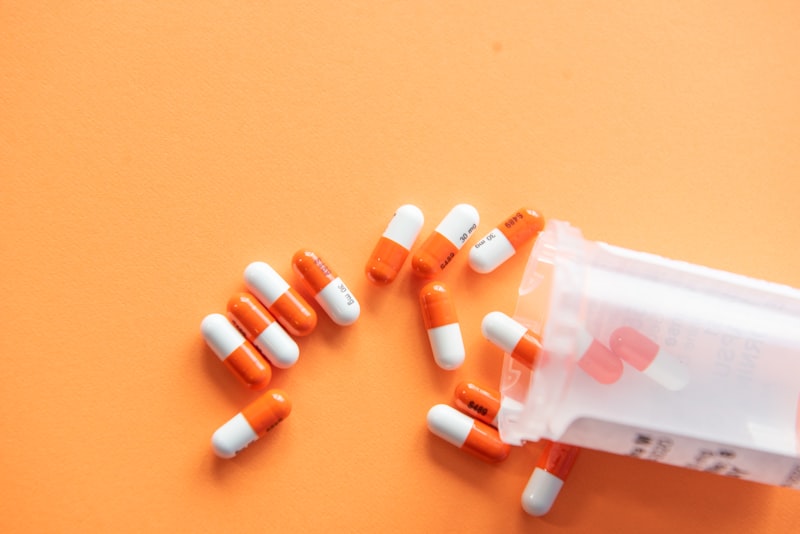
Resale Certificate for Independent Pharmacies: Buy Retail Merchandise Tax-Free
Independent pharmacies are retail stores. Yes, the prescription counter is the core of the business, but the front end (OTC medications, health and beauty, household items, greeting cards, seasonal merchandise, and convenience items) is a significant revenue stream. Many independent pharmacies generate 20-40% of their revenue from front-end retail sales.
A resale certificate covers all wholesale purchases of items you sell at retail. If your pharmacy spends $10,000/month on front-end inventory, the certificate saves $8,400 per year at a 7% tax rate.
Prescriptions vs. Retail: Different Tax Rules
Prescription medications are exempt from sales tax in every state. This exemption exists regardless of whether you have a resale certificate. The exemption is statutory and applies at the consumer level.
OTC (over-the-counter) medications have varying tax treatment by state:
- Some states exempt all OTC drugs from sales tax (Illinois, New York, and others)
- Some states tax OTC drugs at the standard rate
- Some states tax OTC drugs at a reduced rate
Your resale certificate covers your WHOLESALE purchase of OTC inventory regardless of how the state taxes it at retail. The certificate is about your buying side. The state's OTC tax rules affect what you charge customers.
Front-end retail merchandise (everything that is not a medication) follows standard sales tax rules. Shampoo, greeting cards, candy, batteries, and other general merchandise are taxable at retail in nearly every state.
What You Can Buy Tax-Free (Front-End Inventory)
- OTC medications (pain relievers, cold/flu, allergy, digestive, first aid)
- Vitamins and supplements
- Health and personal care (bandages, thermometers, blood pressure monitors, diabetic supplies)
- Beauty and hygiene (shampoo, soap, deodorant, dental care, skincare)
- Baby products (diapers, formula, baby food, wipes)
- Greeting cards and stationery
- Candy and snacks
- Beverages
- Household items (batteries, light bulbs, cleaning products)
- Seasonal merchandise (holiday items, gift sets)
- Reading glasses and sunglasses
- Compression stockings and braces (sold retail)
- Medical devices sold at retail (TENS units, heating pads, nebulizers)
What You CANNOT Buy Tax-Free
| Item | Why It Is Taxable |
|---|---|
| Prescription vials and labels | Pharmacy supplies (not resold to patients as separate items) |
| Pharmacy software and computer systems | Business equipment |
| Compounding chemicals used in prescriptions | See note below |
| Refrigeration units | Business equipment |
| Delivery vehicle | Business asset |
| Security system | Business equipment |
| Shelving and fixtures | Store equipment |
Compounding ingredients. If your pharmacy does compounding (mixing custom prescriptions), the chemicals and ingredients that become part of the prescription may qualify for the resale exemption in some states because they become part of a product sold to the patient. Other states treat them as supplies consumed in providing a service. This is a state-specific question worth discussing with your accountant.
Wholesaler Relationships
Independent pharmacies buy from specific wholesale channels:
Primary wholesale distributors. McKesson, Cardinal Health, AmerisourceBergen (Cencora). These are the "Big Three" pharmaceutical wholesalers. They handle both your prescription inventory and much of your front-end merchandise. Your resale certificate goes on file during account setup.
Secondary and specialty distributors. Morris & Dickson, HD Smith (now part of AmerisourceBergen), and buying group warehouses. Same certificate requirement.
Front-end merchandise distributors. HBA (health and beauty) wholesalers, greeting card companies (Hallmark, American Greetings), and general merchandise suppliers may be separate from your pharmaceutical wholesale accounts.
Buying groups. PBA Health, EPIC Pharmacies, Good Neighbor Pharmacy, and similar groups provide purchasing power. They require your resale certificate as part of membership.
Dollar Savings
| Pharmacy Type | Monthly Front-End Purchases | Annual Tax Savings (7%) |
|---|---|---|
| Small pharmacy with limited retail | $5,000 | $4,200 |
| Standard independent pharmacy | $12,000 | $10,080 |
| Large pharmacy with expanded front end | $25,000 | $21,000 |
Common Mistakes
Assuming prescriptions are the same as OTC for tax purposes. Prescriptions are always exempt at retail. OTC drugs may or may not be exempt depending on your state. Your POS needs to differentiate.
Not separating tax-exempt and taxable sales in reporting. Your sales tax return needs accurate figures for taxable vs. exempt sales. The prescription side is exempt; the front-end side is mostly taxable. Sloppy record-keeping triggers audit questions.
Not collecting tax on medical devices sold at retail. Some pharmacies sell DME (durable medical equipment) like walkers, wheelchairs, or CPAP supplies at retail. Tax treatment of DME varies by state. Many states exempt DME with a prescription, but tax it without one.
How to Get Started
- Apply for your resale certificate through your state or our service. (You likely already have one if your pharmacy is operational, but verify it is current.)
- Ensure all wholesale accounts have your certificate on file. McKesson, Cardinal, and your front-end suppliers.
- Audit your POS tax categories. Prescriptions, OTC drugs, taxable retail, and DME may all have different rates or exemptions.