Resale Certificates for Clothing and Fashion Businesses
Whether you're running a boutique, selling vintage fashion, or building a clothing brand, understanding how resale certificates work for the fashion industry is essential. Clothing also has some unique tax rules in certain states.
This guide covers everything fashion businesses need to know.
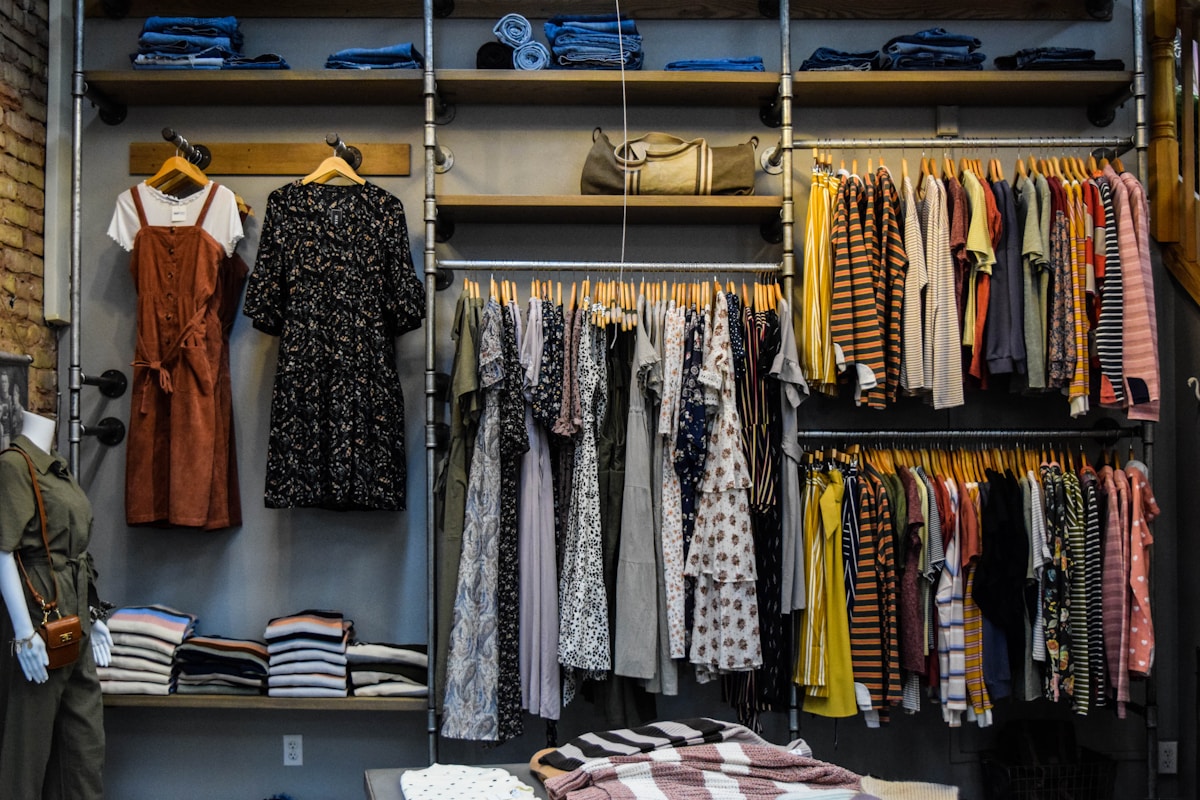 Fashion Boutique
Types of Fashion Businesses
Retail Clothing Store/Boutique
You buy wholesale and sell retail:
- Purchase from brands and distributors
- Mark up and sell to consumers
- Certificate used for buying inventory
Online Fashion Retailer
Selling clothing online:
- E-commerce platforms (Shopify, etc.)
- Marketplaces (Poshmark, eBay, Amazon)
- Social selling (Instagram, TikTok)
Vintage/Thrift Reseller
Sourcing and reselling used clothing:
- Thrift stores
- Estate sales
- Consignment
- Online platforms
Fashion Brand/Designer
Creating your own clothing line:
- Manufacturing or producing garments
- Buying fabric and materials
- Private label production
Consignment Store
Selling others' items on commission:
- Accept items from consignors
- Sell and split proceeds
- Unique tax considerations
How Resale Certificates Apply
Buying Wholesale Clothing
Use your certificate when purchasing:
| Purchase | Tax-Free? |
|---|---|
| Clothing inventory | Yes |
| Accessories (bags, jewelry) | Yes |
| Shoes | Yes |
| Hangers (transferred with product) | Yes |
| Tags and labels | Yes |
| Shopping bags for customers | Yes |
What You Can't Buy Tax-Free
| Purchase | Why Not |
|---|---|
| Store fixtures | Business use |
| Mannequins | Business use |
| Office supplies | Business use |
| Marketing materials | Promotional |
| Security equipment | Business use |
Clothing-Specific Tax Rules
States That Exempt Clothing
Several states exempt most clothing from sales tax:
| State | Exemption Details |
|---|---|
| Pennsylvania | Most clothing exempt |
| New Jersey | Clothing exempt |
| New York | Items under $110 (varies locally) |
| Minnesota | Clothing exempt |
| Vermont | Clothing under $110 |
| Massachusetts | Items under $175 |
| Rhode Island | Clothing exempt |
What's NOT Exempt in "Clothing Exempt" States
Even in these states, certain items are taxed:
- Fur clothing
- Athletic equipment
- Protective gear (sports helmets, etc.)
- Formal wear rentals
- Clothing accessories (sometimes)
Why This Matters
If you sell in clothing-exempt states:
- Your customers may not pay sales tax
- But you STILL use your resale certificate for buying
- The exemption is for end consumers, not wholesale
Wholesale Clothing Sources
Tradeshows
Major fashion tradeshows:
- MAGIC (Las Vegas)
- NY NOW
- Atlanta Apparel
- Dallas Market
- Regional shows
Using your certificate:
- Required for most wholesale orders
- Provide when placing orders
- Often verify before show
Wholesale Markets
Permanent wholesale districts:
- Los Angeles Fashion District
- New York Garment District
- Dallas Market Center
- Atlanta AmericasMart
Online Wholesale
| Platform | Type |
|---|---|
| Faire | Curated brands |
| Abound | Independent designers |
| FashionGo | Wide variety |
| LAShowroom | LA brands |
| Handshake | Shopify brands |
All require resale certificates.
Brand Direct
Buying directly from brands:
- Wholesale account application
- Resale certificate required
- Minimum order requirements
Fashion Reselling Platforms
Poshmark
Sourcing for resale:
- Thrift store finds
- Retail arbitrage
- Wholesale (if selling on Poshmark Pro)
Tax collection:
- Poshmark collects as marketplace facilitator
ThredUp
As a seller:
- Consignment model
- They handle everything
The RealReal
Consignment luxury:
- They authenticate and sell
- You earn commission
Depop, Mercari, eBay
Various models:
- Platform collects tax in most states
- You use certificate for sourcing inventory
Managing Fashion Inventory
Seasonal Considerations
Fashion is seasonal:
- Buy ahead of season
- Plan for markdowns
- Manage end-of-season inventory
Inventory Tracking
Track:
- Style/SKU
- Size
- Color
- Cost
- Selling price
- Season
For multi-platform fashion sellers, inventory management tools like Raidframe can help prevent overselling and track inventory across Poshmark, eBay, your website, and more.
Fulfillment Options
| Option | Best For |
|---|---|
| Self-ship | Low volume, care items |
| 3PL | High volume, multi-channel |
| Print-on-demand | Custom designs |
As you scale, a 3PL like 3PLGuys can handle picking, packing, and shipping - letting you focus on sourcing and curation.
Consignment Store Tax Rules
Consignment creates unique tax situations:
The Basic Model
- Consignor gives you items
- You sell the item
- You split proceeds with consignor
Tax Treatment
| Transaction | Tax Treatment |
|---|---|
| Consignor → Store | Usually no tax (transfer of possession) |
| Store → Customer | Sales tax collected |
| Store → Consignor (payment) | Not taxable (return of proceeds) |
Your Certificate
Use for:
- Items you buy outright from consignors
- Supplies that transfer to customers
- Any wholesale inventory you add
Vintage and Thrift Reselling
Sourcing
Where to find inventory:
- Thrift stores
- Estate sales
- Garage sales
- Goodwill, Salvation Army
- Bins stores
Using Your Certificate
| Source | Use Certificate? |
|---|---|
| Thrift stores | Sometimes (if they charge tax) |
| Estate sales | Usually no tax anyway |
| Garage sales | No tax charged |
| Consignment stores | If they charge tax |
Platform Considerations
Selling vintage/thrift:
- Poshmark (great for fashion)
- eBay (wide audience)
- Depop (younger demographic)
- Etsy (true vintage, 20+ years)
Starting a Fashion Business
Step 1: Define Your Niche
- Boutique (curated new items)
- Vintage/thrift
- Private label
- Consignment
- Category specific (shoes, bags, etc.)
Step 2: Register Your Business
- Choose business structure
- Register with state
- Get EIN (if needed)
- Open business bank account
Step 3: Get Your Resale Certificate
Essential for wholesale buying:
Apply for Your Resale Certificate →
Step 4: Establish Supplier Relationships
- Apply for wholesale accounts
- Attend tradeshows
- Build brand relationships
- Provide certificate to all suppliers
Step 5: Set Up Sales Channels
- Physical store
- Online store (Shopify, etc.)
- Marketplaces
- Social selling
Tax Records for Fashion Businesses
What to Track
| Record | Why |
|---|---|
| All purchase invoices | Cost basis |
| Certificates on file | Audit protection |
| Inventory counts | Value tracking |
| Sales by channel | Revenue reporting |
| Returns | Accurate accounting |
Fashion-Specific Tracking
- Track by style and season
- Note markdowns and reasons
- Document damaged/unsellable items
Common Fashion Business Mistakes
Mistake 1: Not Getting Wholesale Access
Without a resale certificate, you can't access:
- Wholesale pricing
- Trade shows
- Brand direct programs
Mistake 2: Ignoring Seasonal Timing
Fashion is seasonal:
- Buy early
- Plan sell-through
- Budget for markdowns
Mistake 3: Poor Inventory Management
Know what you have:
- Track across all channels
- Prevent overselling
- Know your best sellers
Mistake 4: Neglecting Platform Rules
Each platform has policies:
- Brand restrictions
- Authentication requirements
- Seller standards
Get Your Fashion Business Started
Your resale certificate opens doors to wholesale buying. Get yours and start building your fashion business.
Apply for Your Resale Certificate →
Questions about fashion business taxes? Contact us for help.