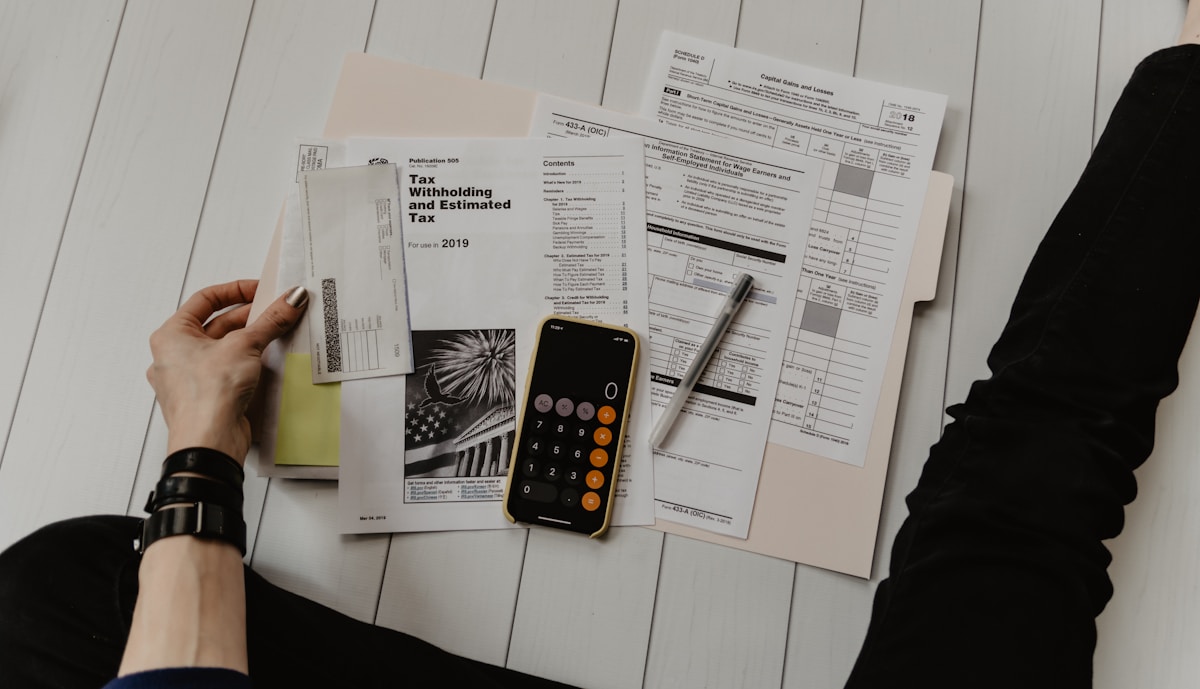
Seller's Permit Guide 2026: Everything You Need to Know
A seller's permit is one of the most fundamental documents you need to legally sell products in the United States. Whether you are opening a retail store, launching an online business, selling at craft fairs, or wholesaling products to other businesses, you almost certainly need a seller's permit. This guide explains what a seller's permit is, who needs one, how to get one in every state, and the costs and requirements you should expect in 2026.
What Is a Seller's Permit?
A seller's permit (also called a sales tax permit, resale license, or vendor's license) is a state-issued document that authorizes a business to sell tangible goods and collect sales tax from customers. It is your legal authorization to engage in retail or wholesale sales within a state.
When you have a seller's permit, you are registered with your state's tax authority. This means you can:
- Sell products legally within the state
- Collect sales tax from your customers on taxable transactions
- Purchase inventory tax-free using a resale certificate (because you will collect tax when you resell the items)
- Remit collected sales tax to the state on a regular schedule (monthly, quarterly, or annually)
Seller's Permit vs. Resale Certificate
These two documents work together but serve different purposes:
| Document | Purpose |
|---|---|
| Seller's Permit | Authorizes you to sell products and collect sales tax |
| Resale Certificate | Allows you to buy inventory tax-free (because you will resell it) |
You need a seller's permit first. Once you have one, you can issue resale certificates to your suppliers to purchase inventory without paying sales tax upfront.
Common Names for Seller's Permits by State
States use different names for the same basic document. Here are some common variations:
- Sales Tax Permit (Texas, Florida, many others)
- Seller's Permit (California, Washington)
- Certificate of Authority (New York, Ohio)
- Sales Tax License (Colorado, Arizona)
- Vendor's License (Michigan, Hawaii)
- Retail License (Nebraska, South Dakota)
- Transaction Privilege Tax License (Arizona)
Regardless of the name, the function is the same: it registers you as a business authorized to make sales and collect tax.
Who Needs a Seller's Permit?
If you sell tangible personal property (physical goods) to customers in a state that has sales tax, you almost certainly need a seller's permit. This includes:
Retail Businesses
- Brick-and-mortar stores
- Pop-up shops and kiosks
- Food trucks and mobile vendors
- Farmers market sellers
Online Sellers
- Amazon, eBay, and Etsy sellers
- Shopify and WooCommerce store owners
- Dropshippers
- Social media sellers (Facebook Marketplace, Instagram shops)
Wholesale Businesses
- Distributors selling to retailers
- Manufacturers selling to businesses
- Importers selling domestically
Service Businesses with Product Sales
- Salons selling hair products
- Auto repair shops selling parts
- Contractors selling materials separately from labor (in some states)
Occasional Sellers
- Craft fair vendors
- Flea market sellers
- Artists selling at shows
- Garage sales (some states exempt these)
Who Does NOT Need a Seller's Permit?
- Pure service providers who do not sell any tangible goods (though some services are taxable in certain states)
- Businesses in states with no sales tax (Alaska, Delaware, Montana, New Hampshire, Oregon)
- Sellers of only exempt goods such as groceries or prescription medications (though you may still need to register)
- Marketplace sellers whose sales are entirely through platforms that collect and remit tax on their behalf (depending on state rules)
Even if you think you might be exempt, it is often wise to apply for a seller's permit. Operating without one when required can result in penalties, back taxes, and legal issues.
How to Get a Seller's Permit: Step-by-Step
The process for obtaining a seller's permit is similar across states, though specific requirements vary. Here is the general process:
Step 1: Determine Your Nexus
Nexus means a sufficient connection to a state that creates a tax obligation. You have nexus if you:
- Have a physical presence (store, office, warehouse, employees) in the state
- Reach economic nexus thresholds (typically $100,000 in sales or 200 transactions in a state)
- Attend trade shows or craft fairs in the state
- Have affiliates or representatives in the state
If you have nexus in a state, you need a seller's permit there.
Step 2: Gather Required Information
Most states require:
- Business legal name and DBA (doing business as) name
- Business address and mailing address
- Federal Employer Identification Number (EIN) or Social Security Number for sole proprietors
- Owner/officer information (names, addresses, SSNs, dates of birth)
- Business entity type (sole proprietorship, LLC, corporation, partnership)
- NAICS code (business activity classification)
- Estimated monthly sales (to determine filing frequency)
- Date business started or will start
- Bank account information (for electronic payments)
Step 3: Apply Online or by Mail
Most states offer online registration through their department of revenue or taxation website. Online applications are typically faster and easier to track.
Some states also accept paper applications, though processing times are longer.
Step 4: Pay Any Required Fees
Some states charge application fees ranging from $0 to $100+. Some require a security deposit based on estimated sales volume, especially for new businesses without credit history.
Step 5: Receive Your Permit
Processing times range from immediate (same day) for some online applications to 4-6 weeks for mail applications or states with manual review processes.
Once approved, you will receive:
- Your seller's permit or certificate
- Your sales tax account number
- Information about filing requirements and due dates
- Access to online filing systems
Step 6: Display Your Permit (If Required)
Some states require you to display your permit at your place of business. Even if not required, having it visible shows customers and inspectors that you are operating legally.
Ready to get started? We simplify the entire process and handle your application from start to finish.
State-by-State Seller's Permit Requirements
Every state with sales tax requires businesses to register before making sales. Here is an overview of requirements in all 50 states:
| State | Permit Name | Application Fee | Processing Time | Notes |
|---|---|---|---|---|
| Alabama | Sales Tax License | $0 | 2-3 weeks | Register with Department of Revenue |
| Alaska | No state sales tax | N/A | N/A | Local jurisdictions may require permits |
| Arizona | TPT License | $12 | 1-2 weeks | Transaction Privilege Tax License |
| Arkansas | Sales Tax Permit | $50 | 2-3 weeks | Bond may be required |
| California | Seller's Permit | $0 | 1-2 weeks | Security deposit may be required |
| Colorado | Sales Tax License | $16 | 1-2 weeks | State license plus local licenses needed |
| Connecticut | Sales Tax Permit | $100 | 2-4 weeks | Higher fee than most states |
| Delaware | No state sales tax | N/A | N/A | Business license still required |
| Florida | Sales Tax Certificate | $5 | 1-2 weeks | Per-location fee |
| Georgia | Sales Tax Number | $0 | 1-2 weeks | Free registration |
| Hawaii | GET License | $20 | 1-2 weeks | General Excise Tax, not traditional sales tax |
| Idaho | Seller's Permit | $0 | 1-2 weeks | Free online registration |
| Illinois | Certificate of Registration | $0 | 1-2 weeks | Register with Dept of Revenue |
| Indiana | Registered Retail Merchant Certificate | $25 | 2-3 weeks | Per-location fee |
| Iowa | Sales Tax Permit | $0 | 1-2 weeks | Free registration |
| Kansas | Sales Tax Registration | $0 | 1-2 weeks | Register online |
| Kentucky | Sales Tax Permit | $0 | 1-2 weeks | Free registration |
| Louisiana | Sales Tax Certificate | $0 | 1-2 weeks | Separate local registrations may be needed |
| Maine | Sales Tax Registration | $0 | 1-2 weeks | Free online registration |
| Maryland | Sales Tax License | $0 | 1-2 weeks | Free registration |
| Massachusetts | Sales Tax Vendor Certificate | $0 | 1-2 weeks | Register online |
| Michigan | Sales Tax License | $0 | 1-2 weeks | Free registration |
| Minnesota | Sales Tax Permit | $0 | 1-2 weeks | Free registration |
| Mississippi | Sales Tax Permit | $0 | 2-3 weeks | Register with Dept of Revenue |
| Missouri | Sales Tax License | $0 | 1-2 weeks | Free registration |
| Montana | No state sales tax | N/A | N/A | Some resort areas have local taxes |
| Nebraska | Sales Tax Permit | $0 | 1-2 weeks | Free registration |
| Nevada | Sales Tax Permit | $15 | 1-2 weeks | Per-location fee |
| New Hampshire | No state sales tax | N/A | N/A | Meals and rooms tax exists |
| New Jersey | Certificate of Authority | $0 | 1-2 weeks | Register online |
| New Mexico | CRS Registration | $0 | 1-2 weeks | Combined Reporting System |
| New York | Certificate of Authority | $0 | 4-6 weeks | Longer processing time |
| North Carolina | Sales Tax Certificate | $0 | 1-2 weeks | Free registration |
| North Dakota | Sales Tax Permit | $0 | 1-2 weeks | Free registration |
| Ohio | Vendor's License | $0 | 1-2 weeks | Called Certificate of Compliance |
| Oklahoma | Sales Tax Permit | $20 + $10/location | 1-2 weeks | Small fee required |
| Oregon | No state sales tax | N/A | N/A | No general sales tax |
| Pennsylvania | Sales Tax License | $0 | 2-3 weeks | Free registration |
| Rhode Island | Sales Tax Permit | $10 | 1-2 weeks | Small fee |
| South Carolina | Retail License | $50 | 2-3 weeks | Higher fee |
| South Dakota | Sales Tax License | $0 | 1-2 weeks | Free registration |
| Tennessee | Sales Tax Certificate | $0 | 1-2 weeks | Free registration |
| Texas | Sales Tax Permit | $0 | 2-4 weeks | Free but takes longer |
| Utah | Sales Tax License | $0 | 1-2 weeks | Free registration |
| Vermont | Sales Tax Certificate | $0 | 1-2 weeks | Free registration |
| Virginia | Sales Tax Certificate | $0 | 1-2 weeks | Free registration |
| Washington | Seller's Permit | $0 | 1-2 weeks | Part of Business License Application |
| West Virginia | Sales Tax Registration | $30 | 1-2 weeks | Per-location fee |
| Wisconsin | Seller's Permit | $20 | 1-2 weeks | Per-location fee |
| Wyoming | Sales Tax License | $60 | 1-2 weeks | Higher fee |
States Without Sales Tax
Five states have no general state sales tax:
- Alaska - No state sales tax, but local jurisdictions can impose taxes
- Delaware - No sales tax at any level
- Montana - No state sales tax, but some resort communities have local taxes
- New Hampshire - No sales tax, but has meals and rooms tax
- Oregon - No sales tax at any level
Even in these states, you may need business licenses or other permits to operate legally.
Seller's Permit Costs by State
While many states offer free seller's permit registration, some charge fees. Additionally, many states require security deposits for new businesses. Here is a detailed breakdown:
States with No Application Fee
The following states charge nothing to register for a seller's permit:
Alabama, California, Georgia, Idaho, Illinois, Iowa, Kansas, Kentucky, Maine, Maryland, Massachusetts, Michigan, Minnesota, Missouri, Nebraska, New Jersey, New Mexico, New York, North Carolina, North Dakota, Ohio, Pennsylvania, South Dakota, Tennessee, Texas, Utah, Vermont, Virginia, Washington
States with Application Fees
| State | Application Fee | Notes |
|---|---|---|
| Arizona | $12 | Transaction Privilege Tax License |
| Arkansas | $50 | Plus potential bond |
| Colorado | $16 | State license only; local fees additional |
| Connecticut | $100 | Highest in the nation |
| Florida | $5 | Per location |
| Hawaii | $20 | General Excise Tax License |
| Indiana | $25 | Registered Retail Merchant Certificate |
| Nevada | $15 | Per location |
| Oklahoma | $20 + $10/location | Base fee plus per-location |
| Rhode Island | $10 | Small fee |
| South Carolina | $50 | Retail License |
| West Virginia | $30 | Per location |
| Wisconsin | $20 | Per location |
| Wyoming | $60 | One of the higher fees |
Security Deposits
Some states require a security deposit based on your estimated monthly sales tax liability. This protects the state if you fail to remit collected taxes. Common deposit amounts:
- California: 2x estimated monthly tax liability (minimum $0, can be thousands)
- Texas: May require bond for certain business types
- New York: May require security based on business history
- Colorado: Can require bond up to 3x monthly liability
Deposits are typically refundable after 2-3 years of compliant filing.
What Happens After You Get Your Seller's Permit?
Obtaining your permit is just the beginning. Here are your ongoing obligations:
Collect Sales Tax
You must collect the correct sales tax rate on all taxable sales. Rates vary by:
- State
- County
- City
- Special districts (transit, stadium, etc.)
Use a sales tax calculator or lookup tool to ensure accuracy.
File Sales Tax Returns
You must file sales tax returns on a regular schedule:
- Monthly: For businesses with higher sales volumes
- Quarterly: For moderate sales volumes
- Annually: For low-volume sellers
File on time even if you have no sales (a "zero return").
Remit Collected Taxes
Pay the sales tax you collected to the state by the due date. Late payments incur penalties and interest.
Keep Records
Maintain detailed records of:
- All sales (taxable and exempt)
- Sales tax collected
- Resale certificates received from buyers
- Purchase invoices showing tax paid or exemption claimed
Most states require you to keep records for 3-7 years.
Renew Your Permit (If Required)
Some states require periodic renewal of your seller's permit. Others issue permits that remain valid indefinitely as long as you file returns and maintain compliance.
Common Seller's Permit Mistakes
Avoid these frequent errors that can lead to penalties, audits, or legal problems:
Mistake 1: Operating Without a Permit
Selling products without a seller's permit is illegal in states with sales tax. Penalties include:
- Back taxes for all unregistered periods
- Interest on unpaid taxes
- Fines and penalties (often 25-50% of taxes owed)
- Potential criminal charges for serious violations
Mistake 2: Not Registering in All Required States
If you have nexus in multiple states (through physical presence, employees, or economic thresholds), you need permits in each one. Many online sellers underestimate how many states they have nexus in.
Mistake 3: Using the Wrong Tax Rates
Sales tax rates change frequently and vary by location. Using outdated or incorrect rates can result in:
- Undercharging (you owe the difference)
- Overcharging (customer complaints, potential refund liability)
Mistake 4: Missing Filing Deadlines
Late returns trigger automatic penalties and interest. Even if you owe $0, you must file a return to avoid penalties.
Mistake 5: Mixing Taxable and Exempt Sales
Not all products are taxable. Groceries, prescription drugs, and some clothing may be exempt. Charging tax on exempt items or failing to charge on taxable items creates compliance issues.
Mistake 6: Improper Use of Resale Certificates
Using your resale certificate to buy items for personal use (not for resale) is fraud. Auditors specifically look for this pattern.
Mistake 7: Not Keeping Adequate Records
If audited, you need documentation for every sale and purchase. Poor recordkeeping can turn a routine audit into a nightmare.
Mistake 8: Forgetting Local Permits
Many cities and counties require separate business licenses or local sales tax registrations in addition to your state permit.
Seller's Permit FAQs
Q: How long does it take to get a seller's permit? A: It depends on the state. Some states issue permits immediately through online applications. Others take 2-6 weeks for processing. Plan ahead before your first sale.
Q: Can I sell while waiting for my permit? A: Generally, no. You should have your permit before making sales. Some states allow retroactive registration, but this can complicate your first return.
Q: Do I need a separate permit for each state? A: Yes. If you have nexus in multiple states, you need a seller's permit in each one. There is no national seller's permit.
Q: What if I only sell online? A: Online sellers still need permits. If you have economic nexus (typically $100,000+ in sales to a state), you need a permit there regardless of physical presence.
Q: Do I need a seller's permit for craft fairs or farmer's markets? A: Usually, yes. Even temporary or occasional sales require a permit. Some states offer temporary event permits.
Q: What is the difference between a seller's permit and a business license? A: A seller's permit authorizes you to collect sales tax. A business license authorizes you to operate a business in a jurisdiction. You often need both, and they are issued by different agencies.
Q: Do seller's permits expire? A: It depends on the state. Some permits are perpetual (valid indefinitely), while others require annual renewal.
Q: Can I use my seller's permit to buy things tax-free? A: Only if you are buying items for resale. You issue a resale certificate to your supplier, citing your seller's permit number. Using this for personal purchases is illegal.
Q: What if my business changes (new owner, new address, new entity)? A: You typically need to update your permit or apply for a new one. Requirements vary by state and the type of change.
Q: Is there a penalty for not having a seller's permit? A: Yes. Penalties include back taxes, interest, fines (often 25-50% of taxes owed), and potential criminal charges for willful violations.
2026 Updates and Trends
Economic Nexus Enforcement
Since the 2018 Wayfair decision, states have aggressively enforced economic nexus rules. In 2026, enforcement continues to intensify:
- More states are lowering thresholds from $200,000 to $100,000
- Audit activity targeting online sellers has increased
- Marketplace facilitator laws now cover more platforms
Digital Products
More states are expanding sales tax to cover digital products:
- Software subscriptions (SaaS)
- Digital downloads (music, e-books, apps)
- Streaming services
- Online courses
Check your state's rules, as these vary significantly.
Marketplace Facilitator Laws
All states with sales tax now have marketplace facilitator laws requiring platforms like Amazon, eBay, and Etsy to collect and remit tax on behalf of third-party sellers. However, you may still need your own permit if you:
- Sell through your own website
- Sell at physical events
- Make wholesale sales
Simplified Registration
Several states have improved online registration systems in 2026:
- Faster processing times
- Better integration with business registration portals
- Streamlined multi-state registration through SST (Streamlined Sales Tax)
Get Your Seller's Permit Today
Operating without a seller's permit puts your business at serious legal and financial risk. The application process is straightforward in most states, and many offer free registration.
Let us help you get started:
- Expert guidance through the application process
- Multi-state registration support
- Ongoing compliance assistance
- Resale certificate preparation
For state-specific information, visit our state guides or explore our resource center.
A seller's permit is the foundation of a compliant retail or wholesale business. Whether you are just starting out or expanding to new states, getting properly registered protects your business and positions you for growth.
Related Articles
- What Is a Resale Certificate? - Learn how resale certificates work with your seller's permit.
- Multi-State Resale Certificates Explained - Selling in multiple states? Understand your obligations.
- Economic Nexus Guide - When do you have to register in a new state?
- Common Resale Certificate Mistakes - Avoid these compliance pitfalls.
Frequently Asked Questions
What is a seller's permit?
A license authorizing your business to make retail sales and collect sales tax.
Do all businesses need a seller's permit?
Businesses making taxable sales in states with sales tax need permits. Service-only businesses may not.
How much does a seller's permit cost?
Most states issue permits for free. Some charge small fees of $10-$50.
How long does it take to get a permit?
Online registration is often instant to a few days. Paper applications take longer.
Do I need a permit in every state where I sell?
Yes, if you have nexus in that state. Economic nexus thresholds trigger requirements.